BYD New Energy Vehicles

In recent years, electric vehicles have surged in popularity, becoming an ever more common sight on our roads. While many are familiar with the term EV, you might be less acquainted with NEV.

NEV stands for ‘New Energy Vehicle’ and encompasses all types of electric vehicles, from fully battery-powered cars to plug-in hybrids. It is not to be confused with a ‘neighbourhood electric vehicle.’

As the world’s leading NEV manufacturer, BYD is ideally placed to guide you through everything you need to know about NEVs. Below, we explore the different types of NEVs and the advantages they offer.

Types of New Energy Vehicles

NEV is a broad term for vehicles powered by alternatives to fossil fuels, such as electricity. Some of the most common types of NEVs include:

Battery Electric Vehicles (BEVs)

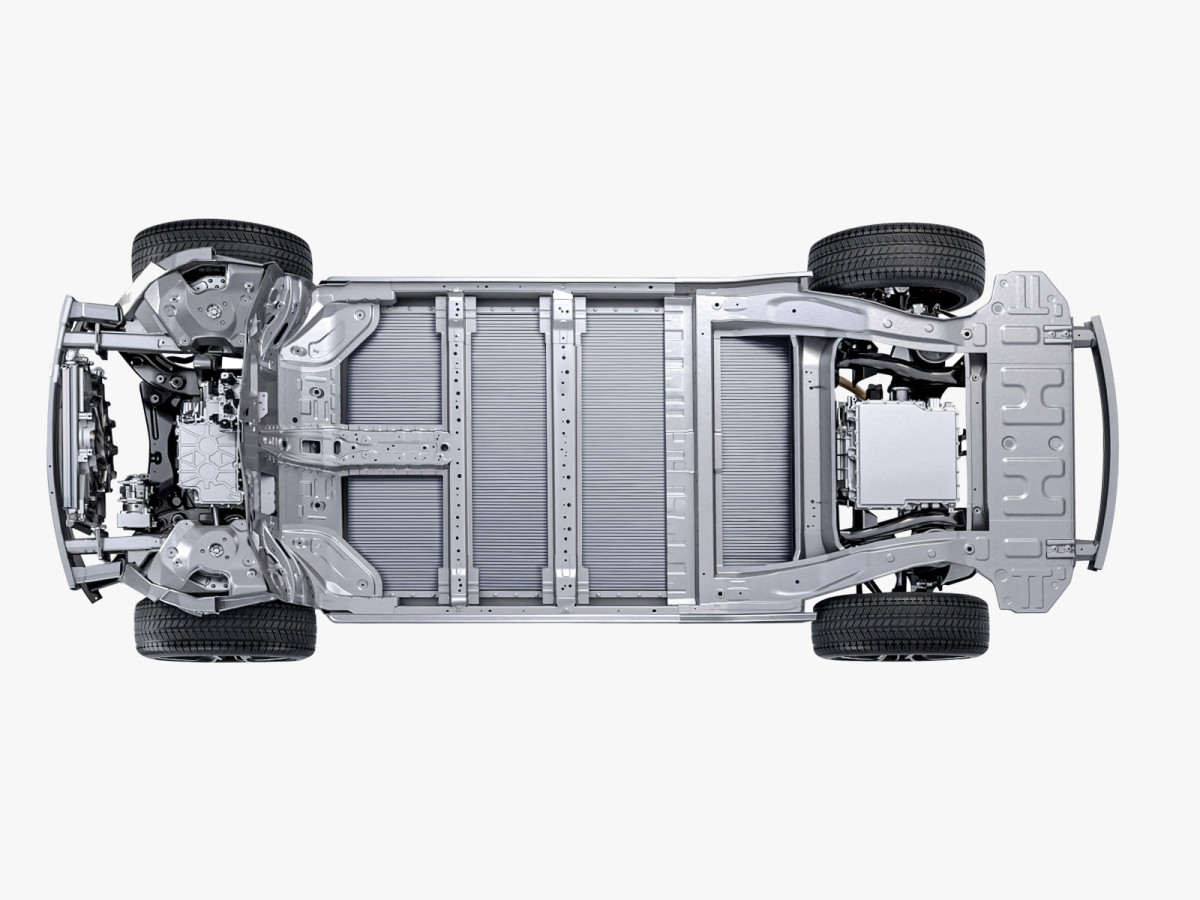
Battery-electric vehicles (BEVs) operate entirely on electricity, using a battery to power an electric motor for propulsion. The battery is recharged externally, either at home or at public charging stations. With no conventional engine, BEVs produce zero exhaust emissions, offering a cleaner and more environmentally friendly alternative to traditional petrol or diesel cars.

Plug-in Hybrid Electric Vehicles (PHEV)

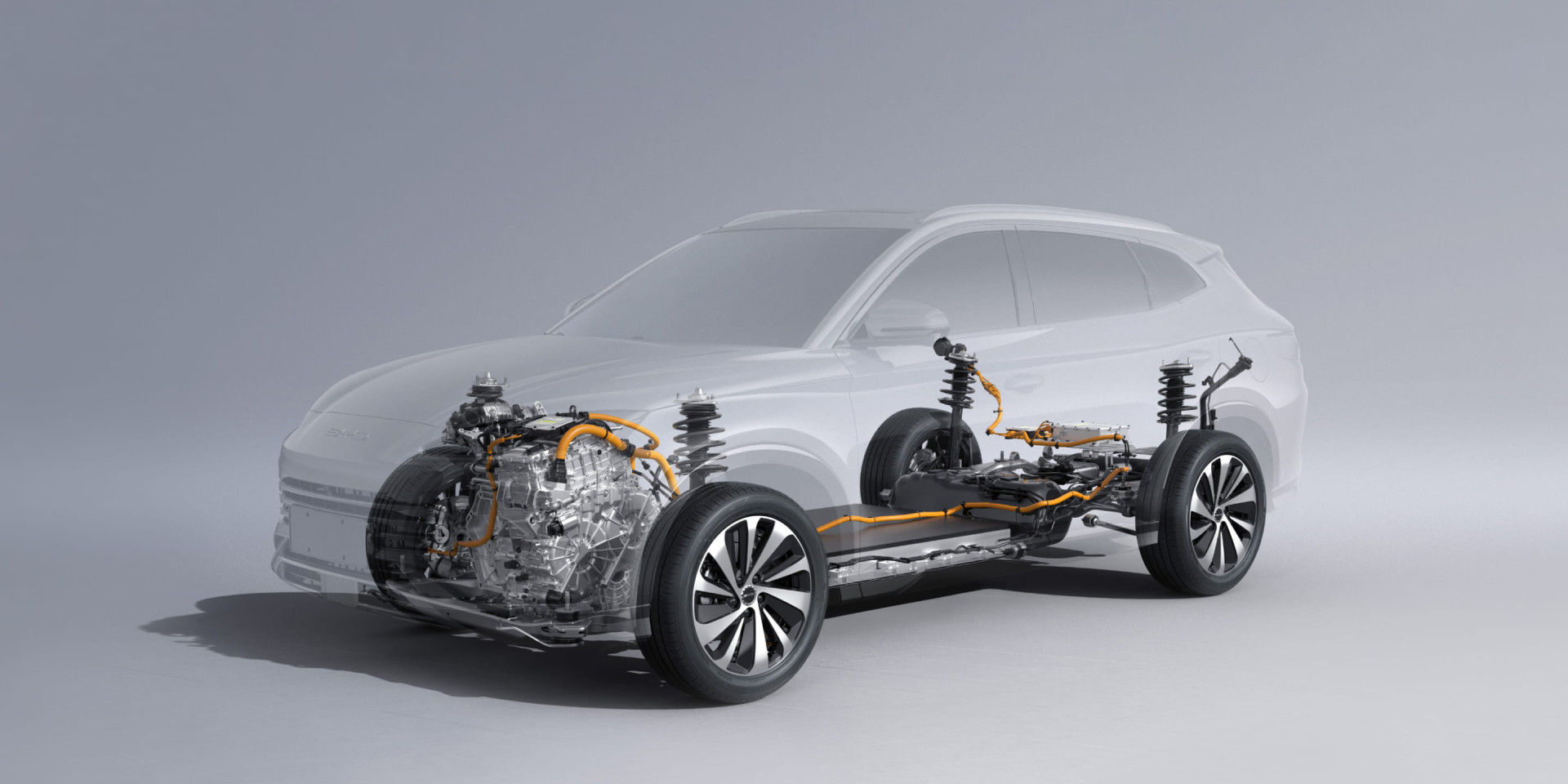
A PHEV, or plug-in hybrid electric vehicle, is another type of NEV. It combines an internal combustion engine with an electric motor, running primarily on electricity until the battery is depleted, at which point the engine takes over. PHEVs can be charged externally using a home charger or public charging points, making them ideal for longer journeys by reducing range anxiety. When the battery is empty, the engine ensures smooth, uninterrupted driving.

BYD has developed its own advanced hybrid system, Super DM Technology, to power its PHEVs. This innovative system boosts driving performance while keeping fuel consumption low. Vehicles featuring “DM” or “DM‑i” in their name are equipped with this cutting-edge hybrid technology.
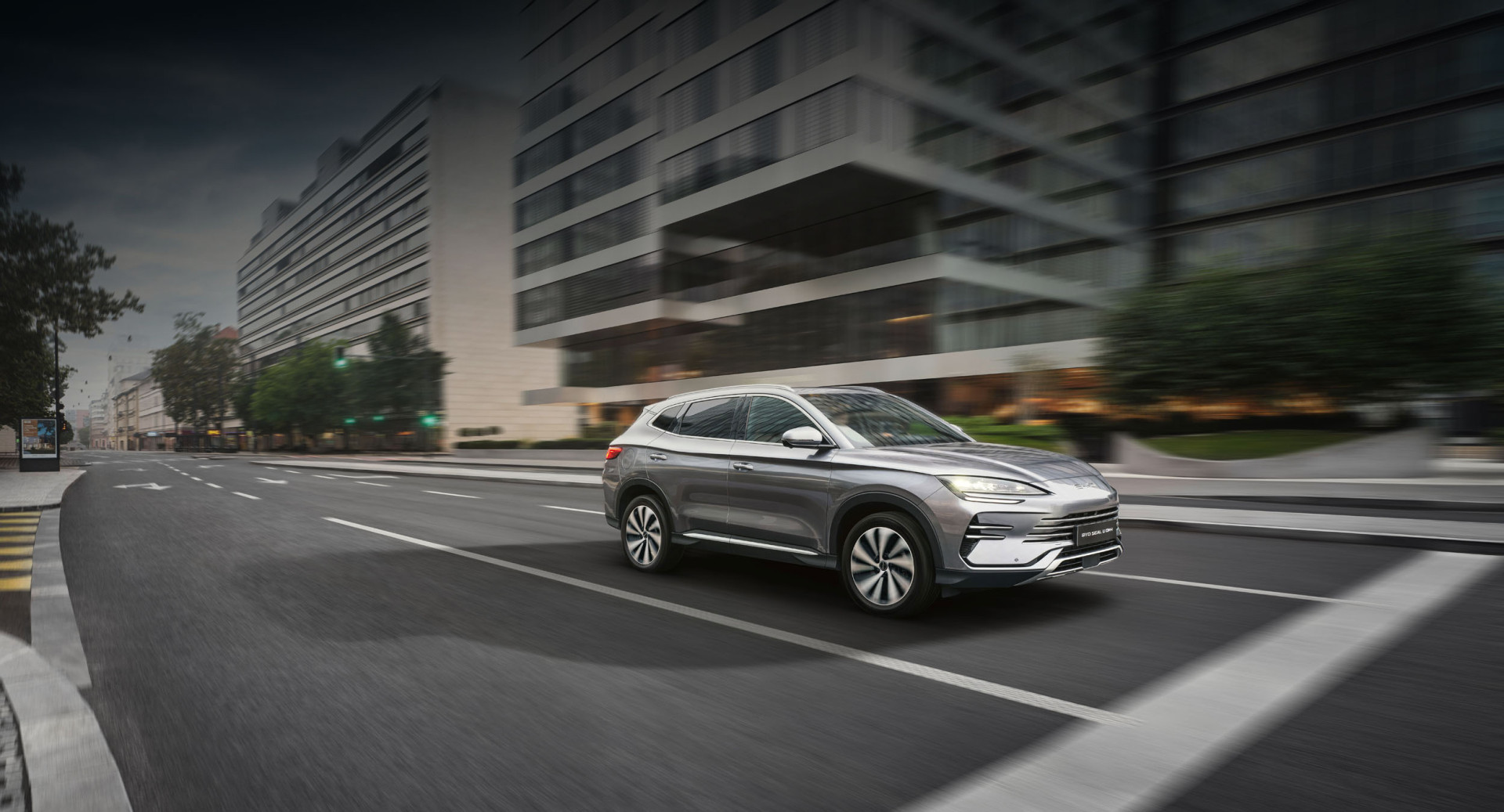

New Energy Vehicle Benefits

NEVs offer a variety of benefits, contributing to their increasing popularity on our roads.

Environmental Impact

NEVs, particularly battery-electric vehicles, are highly energy-efficient, converting around 85–90% of their energy into motion, compared with just 17–21% for traditional internal combustion engines. This allows them to use significantly less energy to travel the same distance on your daily journeys.

Energy Efficiency

NEVs, especially battery-electric vehicles, are extremely energy-efficient, converting approximately 85–90% of energy into motion, compared with just 17–21% for conventional internal combustion engines. This means they use significantly less energy for everyday driving.

Economic benefits

NEVs provide a range of economic benefits, including lower charging costs compared with conventional refuelling. With fewer moving parts, they also need less maintenance—for instance, battery-electric vehicles remove the need for routine tasks such as oil changes.

Advanced technology

BYD’s battery-electric and hybrid vehicles feature some of the most advanced technologies to improve both safety and comfort. This includes sophisticated driver-assistance systems and high-quality internal components, such as the battery. To learn more about BYD’s pioneering innovations, explore BYD Super DM Technology for full details.

What distinguishes New Energy Vehicles (NEVs) from Internal Combustion Engine (ICE) vehicles?

The primary difference between New Energy Vehicles (NEVs) and traditional internal combustion engine (ICE) cars is their power source: NEVs run on electricity, whereas ICE vehicles depend on petrol or diesel. They also differ in energy efficiency, emissions, maintenance requirements, and the technology used for propulsion and vehicle control systems.

Extra energy efficiency

​​​​​​​NEVs are more energy-efficient than conventional fuel-powered vehicles, letting you travel further while using less energy.

Exhilarating, responsive and dynamic

NEVs provide instant torque, offering a responsive, fun, and highly engaging driving experience.

Quiet driving experience

​​​​​​​NEVs run more quietly on the road, delivering a smoother and more serene driving experience compared with vehicles powered by internal combustion engines.

Lower running costs

One of the main advantages of NEVs is the ability to charge at home, eliminating trips to the petrol station and saving money. Many energy providers also offer reduced rates for charging during off-peak hours.

With a variety of NEVs available, from fully electric to plug-in hybrids, drivers can reduce their carbon footprint in a way that best fits their lifestyle.